What is the difference between under-eye hollows and dark circles?
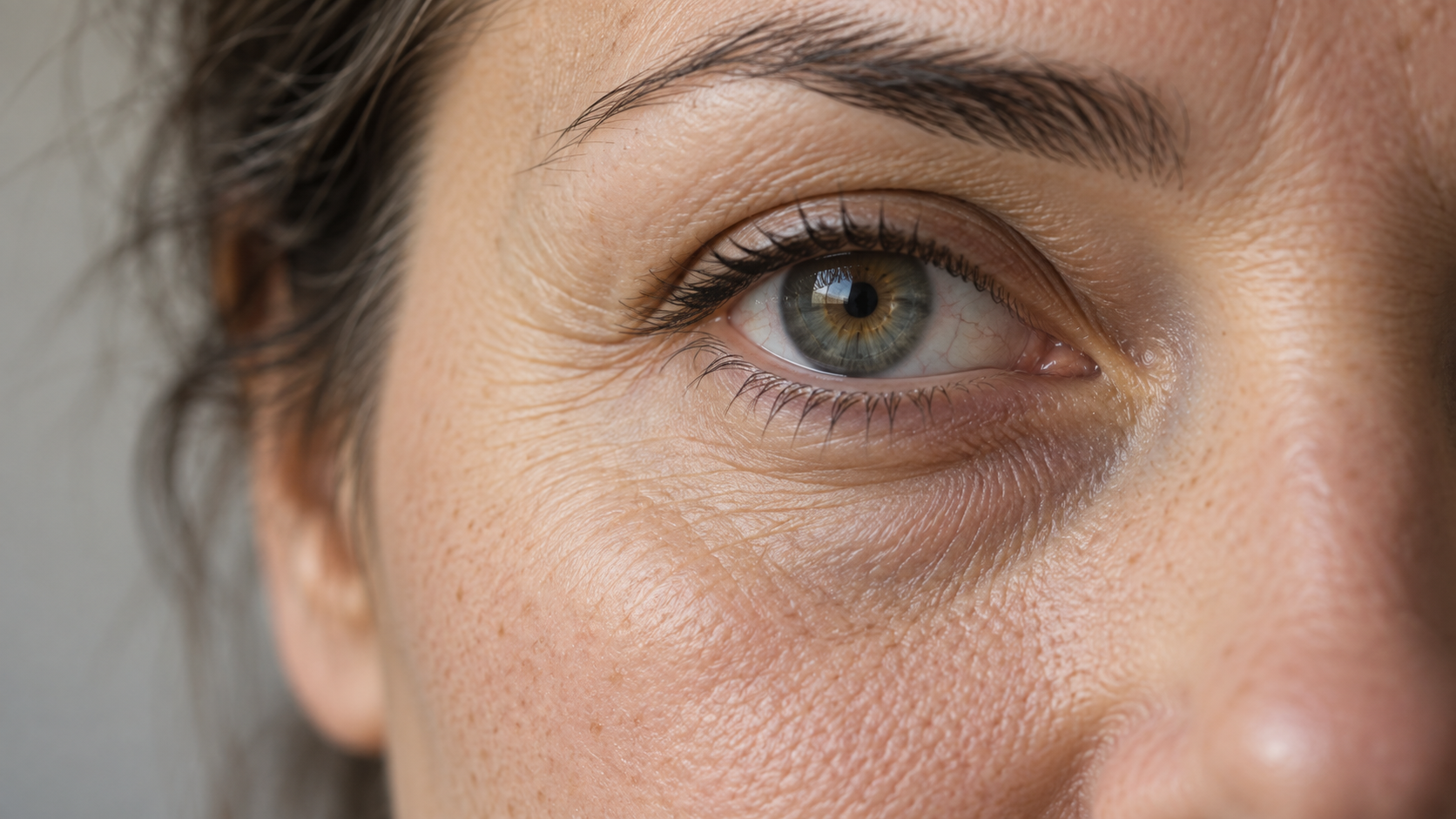
A hollow is a depression. The tear trough is the groove that runs from the inner corner of the eye down along the orbital rim, and when it deepens, it casts a shadow. Nothing about the skin has changed colour. The area only looks dark because light is not reaching it. Move into different lighting and a true hollow will visibly shift.
A dark circle is pigment or vasculature. The skin itself is a different colour than the skin around it, either because there is more melanin in it or because the skin is thin enough that the blood vessels underneath show through as a blue or purple tone. Change the lighting and it does not go anywhere.
Mayo Clinic makes the same distinction plainly, noting that what looks like dark circles is sometimes shadows cast by puffy eyelids or by hollows under the eyes that develop with aging. Most people have some mix of the two. The mix is the whole point, because the proportion determines the plan.
What actually causes dark circles under the eyes?
Mayo Clinic lists a wide range of causes, and they are not all cosmetic. Atopic dermatitis and contact dermatitis both appear on the list, as do fatigue, genetics, rubbing or scratching the eyes, skin changes that come with aging, and sun exposure. Colour changes from melasma or post-inflammatory hyperpigmentation are also named, and Mayo notes both are more common in people with brown or Black skin.
Lifestyle plays a part without being the whole story. Mayo names smoking, drinking too much alcohol and stress as contributors, and notes that circles tend to be more noticeable when you are tired. Sleep alone is rarely the cause of something you have had for years.
Two of these belong with a physician rather than a med spa. If the darkness comes with itching, flaking or a history of eczema or allergies, that is a skin condition being managed, not an aesthetic concern being treated. Mayo also notes that dark circles usually are not a medical problem in themselves, which is useful reassurance, but the causes underneath them sometimes are.
How does a provider tell which one you have?
By looking properly, and by touching. The Aesthetic Surgery Journal framework sets out what a thorough assessment involves: appropriate lighting during visual inspection, regional inspection of both the cheek and the tear trough, palpation of the orbital rim and soft tissues, determination of the orbital vector, and a separate assessment of lower eyelid pigmentation and skin quality.
Notice how much of that is not about the under-eye itself. The same survey found that 100% of practitioners agreed midcheek volume was critical when treating tear-trough depression. The cheek supports the area above it. When midface volume drops, the lid-cheek junction loses its shelf and a shadow appears, which is why treating the cheek sometimes resolves what the patient came in calling a dark circle.
That paper also reported that only 26% of surveyed practitioners used any tear-trough classification system. Worth knowing when you are choosing where to go. At Infinite Medical Spa, a complimentary VISIA skin analysis adds a measured read on pigmentation to the visual exam, which helps separate the pigment component from the structural one rather than guessing at the ratio.
Which treatment matches which cause?
For structural hollowing, hyaluronic acid filler placed carefully can restore the volume that is casting the shadow, and it may go into the cheek rather than the tear trough itself depending on what the assessment shows. This is where tear trough and midface filler earns its reputation, and where it does the most good.
For thin or crepey skin where the issue is quality rather than volume, adding filler underneath translucent skin can deepen the problem by making what sits below more visible. Treatments that thicken and improve the skin itself are the better fit. PRP and PRF injections are one route, and collagen-stimulating approaches such as microneedling work the surrounding area to build support over a series rather than in one visit.
For genuine pigment, volume does nothing at all. Light-based treatment is the pathway that targets melanin, and an IPL photofacial is the usual starting point for pigment-driven darkness, alongside daily sun protection. Mayo lists sun exposure among the causes, so protecting the area is not an afterthought, it is part of the treatment.
Most plans end up combining two of these in sequence. That is normal, and it is a sign the assessment was done properly rather than a sign of upselling.
Who should not have tear trough filler?
This is the section most clinics leave out. The under-eye is one of the hardest areas in facial injecting, and the literature is direct about what can go wrong. Reported complications range from mild and self-limiting effects such as puffiness, swelling and bruising, through persistent irregularities including uneven surface contours, prolonged swelling and a bluish discolouration known as the Tyndall effect, to rare but serious outcomes.
Certain patterns make the area a poor bet for filler. Significant under-eye puffiness or fat pad protrusion is one, because adding volume beside a bulge often emphasises it. Very thin or translucent skin is another, for the reasons above. Darkness that is purely pigmented is a third, since there is no shadow to correct.
A provider who declines to treat your tear trough is not turning away business. They are telling you the truth about your anatomy, which is what you want from the person holding the needle near your eye.
Frequently asked questions
How can I tell at home whether I have hollows or dark circles?
Try the lighting test. Stand under an overhead light, then move to a window with light coming from the side, then hold a light source below your face. A shadow from hollowing will change noticeably as the light moves. Pigment stays the same in every light. It is a rough test rather than a diagnosis, but it tells you which conversation to have.
Will sleeping more fix my dark circles?
It helps with the part that is fluid and fatigue, and not much else. Mayo notes circles are more noticeable when you are tired and suggests raising your head with pillows to limit overnight fluid pooling. Something you have had since your twenties is more likely genetic or structural.
Can filler make dark circles worse?
Yes, in the wrong candidate. Placed too superficially or under skin that is too thin, hyaluronic acid can create a bluish cast known as the Tyndall effect, or hold fluid and read as puffiness. This is the argument for assessment before treatment rather than a treatment menu.
Does the cheek really affect the under-eye?
It does, and the data is striking. Every practitioner surveyed in the 2024 framework agreed midcheek volume was critical when treating tear-trough depression. Restoring support in the cheek can soften the shadow above it without anything being placed in the tear trough.
How long do under-eye results last?
It depends entirely on which pathway you are on, and your provider should give you a specific answer at your assessment rather than a general one. Skin-quality treatments build over a series and are maintained over time, while volume correction and pigment work follow different schedules.
Is a consultation necessary or can I just book the treatment?
For this area, assessment comes first. The whole point of the framework above is that the same complaint has several different causes, and the treatment only works when it is matched to yours. Book a complimentary assessment and you will leave knowing which of these you actually have.
Sources
- Mayo Clinic. Dark circles under eyes: causes.
- Liew S, Doreian S, Kunathathorn W, et al. Lower Eyelid Dark Circles (Tear Trough and Lid-Cheek Junction): A Stepwise Assessment Framework. Aesthetic Surgery Journal. 2024;44(7):NP476–NP485.
This article was medically reviewed by Derek Truong, NP, Medical Director at Infinite Medical Spa in London, Ontario. It is intended for education and is not medical advice. Under-eye concerns have several possible causes, some of them medical, and an in-person assessment is the only way to know which apply to you.