
Some pigmentation sits deeper than surface treatments can reach; melasma, post-inflammatory hyperpigmentation, and long-standing dark spots that have not responded to other approaches. The DEKA Toro uses targeted Q-switched laser energy to break down pigment at the dermal level, safely across all skin tones.
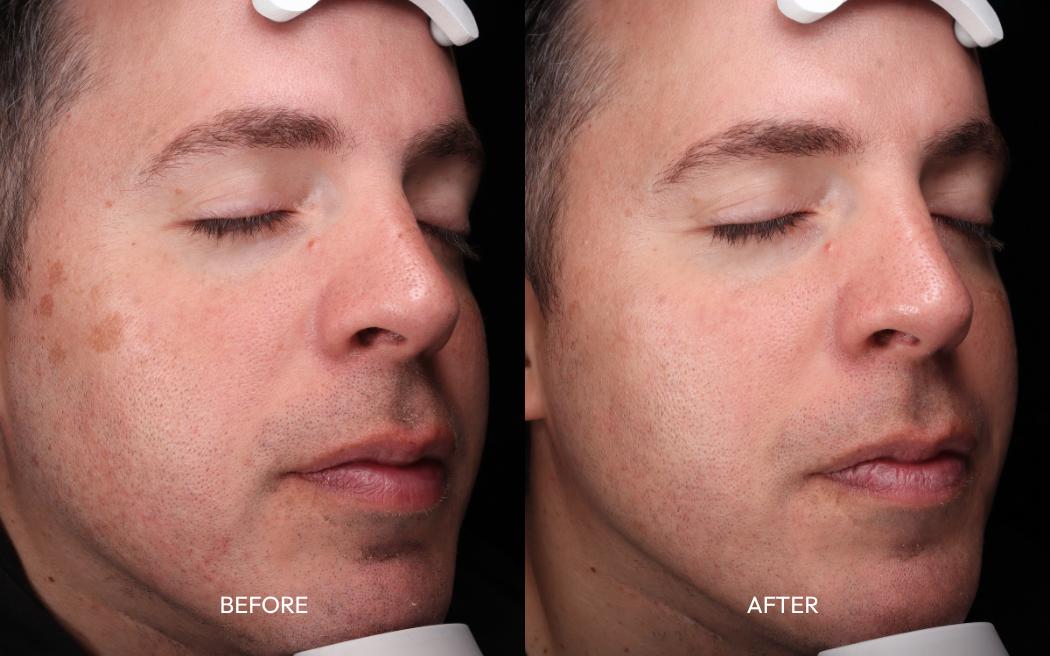
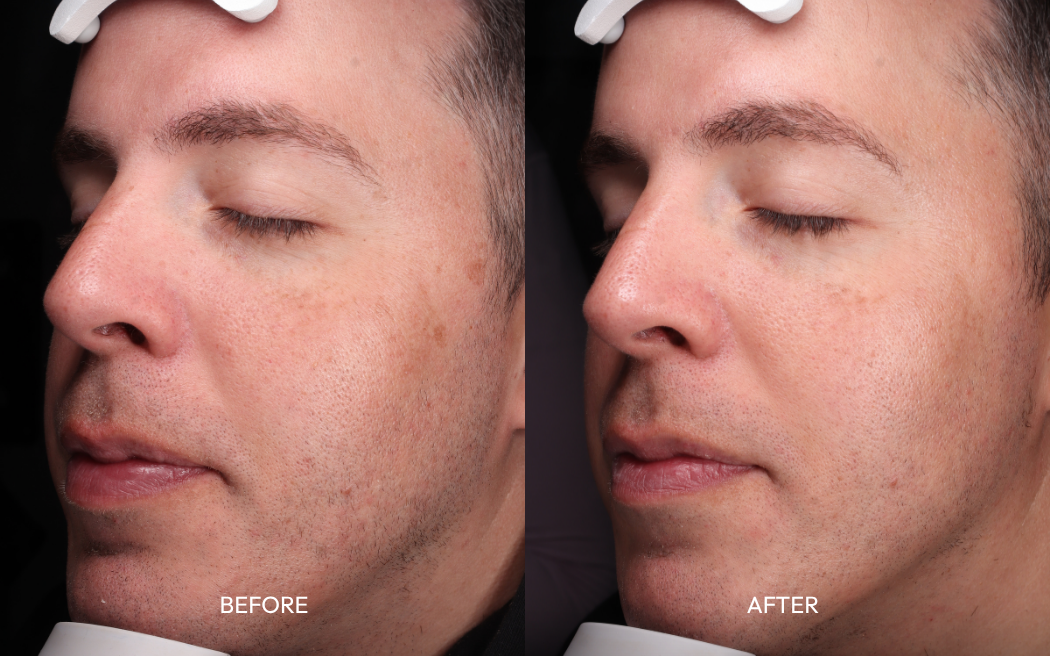
Wavelengths — 532nm, 785nm, 1064nm — for precise pigment targeting at different depths
Skin types and tones — Fitzpatrick I to VI can be safely treated
Verified Google reviews at Infinite Medical Spa
Years trusted in London, Ontario
The Toro by DEKA is a Q-switched laser system that uses precise, high-peak-power pulses of laser energy to break down pigment beneath the skin. The laser targets melanin selectively, the pigment absorbs the energy, which shatters the pigment particles into microscopic fragments. Those fragments are then cleared by the body's lymphatic system over the following weeks.
What makes the Toro particularly effective for stubborn or deep pigmentation is its wavelength range and pulse technology. The 1064nm wavelength penetrates to the dermal layer, reaching pigment that sits too deep for surface treatments to address, while minimising interaction with epidermal melanin. This is what makes it safe across all skin tones and suitable for conditions like melasma, where overheating the skin surface can actually worsen the pigmentation rather than improve it.
The treatment also works through a photoacoustic effect, a shockwave within the pigment particle, rather than relying on heat alone. This precision reduces the risk of surrounding tissue damage and post-inflammatory hyperpigmentation, which is a genuine concern with less targeted approaches.
The Toro combines picosecond and nanosecond pulse modes across three wavelengths. Your provider selects the wavelength based on your pigmentation type, depth, and skin tone.
785nm
Picosecond
Pigment correction
Ultra-short picosecond pulses shatter pigment with a photoacoustic effect and minimal thermal damage. Effective across skin types including darker tones where heat risk is a concern.
532nm
Nanosecond
Superficial and vascular pigment
Targets surface pigmentation and redness components alongside pigment. Strongly absorbed by melanin — effective for discrete, defined surface spots.
1064nm
Nanosecond
Deep dermal pigment
Penetrates deepest with minimal epidermal melanin interaction. The preferred wavelength for deep dermal pigmentation, melasma, and all skin tones including Fitzpatrick IV to VI.cern.
VISIA consultation (included free)
The VISIA maps your pigmentation depth and distribution before we recommend anything. This tells us whether your concern is epidermal, dermal, or mixed — and which wavelength and protocol suits your skin.
Skin prepared and eye protection applied
Treatment area is cleansed and protective eye shields placed before any laser energy is used. Your provider advises on prep requirements at consultation.
Toro Pigment Reduction laser applied
The Toro handpiece delivers precise pulses to the pigmented areas. Most patients describe a quick warm snap with each pulse. Sessions are typically 20 to 45 minutes depending on area size.
Darkening phase — 7 to 14 days
Treated pigment spots will often look darker for 7 to 14 days after treatment before they flake away. This is the pigment being pushed to the surface and cleared — it is the treatment working, not a complication. Do not pick at them.
Follow-up and sessions
Number of sessions depends on pigmentation depth and type. Discrete superficial spots may respond in 1 to 2 sessions. Melasma and deeper concerns typically require a series. Your provider sets realistic expectations at your first consultation.
Stubborn pigmentation that has not responded to other treatments often needs a different approach — not more of the same. Come in. Free VISIA skin analysis included. We will assess your pigmentation depth and tell you whether the Toro is the right next step.
