
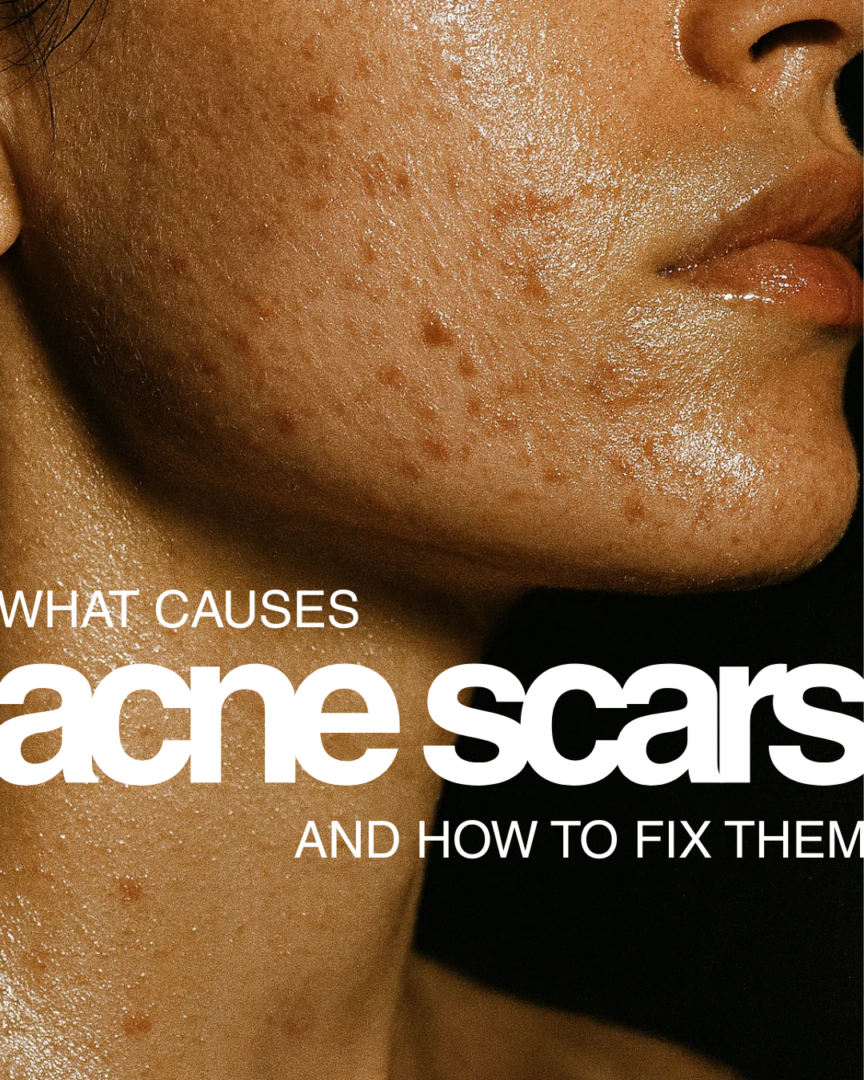
Understanding Acne Scars: Why They Form
For many people in London, Ontario, acne doesn’t just disappear when breakouts fade — it can leave behind stubborn scars that linger long after the inflammation is gone. These scars form as a result of the skin’s natural healing process. When acne lesions (especially deep cysts or nodules) damage the deeper layers of skin, the body produces collagen to repair the area.
However, if too little collagen is produced, a depressed (atrophic) scar can form; if too much is made, a raised (hypertrophic) scar may develop. Over time, these scars can alter the texture and tone of the skin, creating unevenness that’s difficult to conceal.
The Different Types of Acne Scars
Understanding the type of acne scars you have is the first step toward choosing the right solution:
Ice pick scars: Deep, narrow scars that look like small holes.
Boxcar scars: Broad depressions with sharply defined edges.
Rolling scars: Shallow, wave-like indentations.
Hypertrophic or keloid scars: Thick, raised scars caused by excess collagen production.
Post-inflammatory hyperpigmentation (PIH): Dark spots or red marks left after acne heals — technically not scars, but they can make the skin look uneven.
Each type responds differently to treatments, so personalized care from a trained aesthetic professional is key.
What Makes Acne Scars Worse?
Several factors can increase the risk or visibility of acne scars:
Picking or popping pimples – This can cause deeper damage and delay healing.
Untreated inflammatory acne – Severe or cystic acne often leads to scarring if not managed early.
Genetics – Some people are more prone to scarring due to how their skin heals.
Sun exposure – UV rays can darken existing scars, making them more noticeable.
Lack of consistent skincare – Neglecting hydration and barrier repair can make scars appear rougher.
Skincare Ingredients That Help Fade Acne Scars
Not every scar requires an in-clinic procedure — consistent use of targeted skincare ingredients can make a visible difference over time. Here are some dermatologist- and aesthetician-approved options:
1. Retinoids (Vitamin A derivatives)
Retinoids like retinol or adapalene can help increase cell turnover, smooth uneven texture, and reduce pigmentation. They also promote collagen synthesis, helping to minimize the depth of atrophic scars.
2. Vitamin C (L-ascorbic acid)
A potent antioxidant that helps brighten dark spots and supports collagen production. Regular use can even out skin tone and give a firmer appearance over time.
3. Niacinamide
Known for its anti-inflammatory and brightening properties, niacinamide can reduce redness and blotchiness often seen after acne.
4. Alpha Hydroxy Acids (AHAs)
Ingredients like glycolic acid and lactic acid gently exfoliate the surface layer, promoting smoother skin and a more even complexion.
5. Sunscreen (Broad-spectrum SPF 30+)
Daily SPF is a non-negotiable — UV exposure can darken scars and undo months of progress. Look for lightweight, non-comedogenic formulas suited to acne-prone skin.
Tip: Combining the right products with professional treatments can dramatically enhance results, especially for deeper or textural scars.
Professional Treatments for Acne Scars in London, Ontario
At Infinite Medical Spa, acne scar treatments are personalized to each client’s unique skin type, scar depth, and lifestyle. Here are some of the most effective medical-grade options used to smooth, refine, and rejuvenate the skin’s surface:
1. Microneedling with Collagen Induction Therapy
Microneedling creates controlled micro-injuries that stimulate the skin’s natural healing response. Over several sessions, this can lead to smoother, firmer skin and a reduction in the depth of acne scars. When paired with platelet-rich plasma (PRP), the healing and collagen-boosting effects can be amplified.
2. Laser Resurfacing
Fractional laser treatments can precisely target damaged skin layers and trigger new collagen formation. These treatments are ideal for textural scars, including rolling and boxcar scars.
3. Chemical Peels
Medical-grade peels using glycolic, lactic, or trichloroacetic acid (TCA) help to exfoliate damaged skin and reduce both pigmentation and fine surface irregularities.
4. Radiofrequency (RF) Microneedling
Combining the collagen-stimulating benefits of microneedling with the tightening power of radiofrequency energy, RF microneedling can effectively treat deeper scars with minimal downtime.
5. Dermal Fillers for Depressed Scars
For certain atrophic scars, injectable dermal fillers may be used to restore lost volume and create a smoother, more even surface. Results are temporary but can be transformative when performed by a trained injector.
How to Choose the Right Approach
Not all acne scars require the same solution. The ideal approach often involves combining skincare, at-home maintenance, and professional treatments for a long-term improvement plan.
During a consultation, your skin specialist will assess:
The type and depth of your scars
Your skin tone and sensitivity
Your desired downtime and lifestyle
Any previous treatments or medical conditions
A customized plan may include both daily product recommendations and a series of clinical procedures spaced over several months.
Prevention: The Best Acne Scar Strategy
While treatment options are highly effective, prevention remains the most powerful tool. Here’s how to minimize future scarring:
Treat acne early — don’t wait until it becomes severe.
Avoid picking or squeezing blemishes.
Keep the skin hydrated and use non-comedogenic skincare.
Use SPF daily, even in winter months.
Follow up with your skincare professional for maintenance.
The Takeaway
Acne scars can affect anyone — but with the right combination of evidence-based skincare and advanced aesthetic treatments, smoother and more radiant skin is within reach.
Whether you’re struggling with lingering hyperpigmentation or deep textural scars, there are safe, effective solutions available right here in London, Ontario. At Infinite Medical Spa, every treatment plan begins with an in-depth consultation to understand your skin’s unique needs and help restore your confidence — one step at a time.
FAQs
Q: Can acne scars completely go away?
While not all scars can be erased, many can be significantly improved through consistent skincare and professional treatments that support collagen regeneration.
Q: How long does it take to see results?
Results vary, but visible improvements typically occur over several weeks to months, depending on your treatment plan and skin’s natural healing rate.
Q: Are acne scar treatments safe for darker skin tones?
Yes — many treatments, such as RF microneedling and certain laser technologies, can be tailored safely for all skin tones when performed by trained professionals.

