
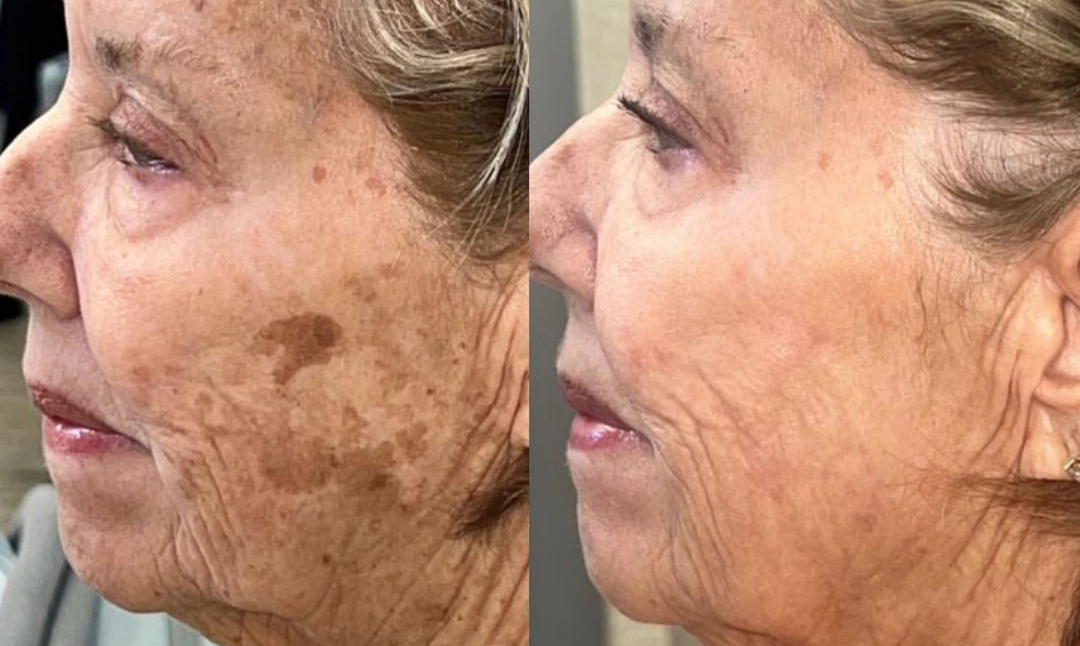
Hyperpigmentation is one of the most common skin concerns we see at Infinite Medical Spa in London, Ontario, and also one of the most frequently overtreated. Many clients arrive frustrated after using strong acids, bleaching creams, or overly aggressive routines that promised quick results but instead left their skin irritated, inflamed, and more prone to discoloration.
The truth is that hyperpigmentation responds best to patience, consistency, and barrier-respecting strategies. Treating pigment without harsh products is not only possible, it is often more effective long-term.
What Hyperpigmentation Really Is
Hyperpigmentation occurs when melanocytes, the pigment-producing cells in the skin, produce excess melanin. This extra pigment can collect in certain areas, appearing as dark spots, patches, or uneven tone.
Common types of hyperpigmentation include sun spots, melasma, and post-inflammatory hyperpigmentation that develops after acne, injury, or irritation.
Inflammation is a major driver of pigment production. When the skin barrier is compromised or repeatedly irritated, melanocytes become more active. This is why aggressive treatments often make pigmentation worse, especially in medium to deeper skin tones.
Why Harsh Products Often Backfire
Strong exfoliants, high-percentage acids, and unregulated lightening products can damage the skin barrier. When the barrier is impaired, the skin becomes more sensitive to UV exposure, inflammation, and pigment rebound.
Health Canada warns against the use of unregulated skin lightening products, particularly those containing mercury or excessive hydroquinone, due to risks of skin damage and systemic toxicity.
Even regulated active ingredients can cause problems when overused. The goal is not to strip the skin into submission, but to create an environment where pigment production gradually normalizes.
Step One: Protect the Skin Barrier
Barrier health is the foundation of any successful hyperpigmentation treatment plan. Without it, even the best in-clinic treatments will struggle to deliver lasting results.
Gentle cleansing, avoiding over-exfoliation, and using a supportive moisturizer help maintain the skin’s protective layer. Ingredients such as ceramides, glycerin, and niacinamide support barrier repair and hydration.
Sun protection is non-negotiable. UV exposure stimulates melanocytes and can undo months of progress in a matter of days. Health Canada emphasizes daily broad-spectrum sunscreen use as one of the most effective ways to prevent and manage hyperpigmentation.
Gentle Ingredients That Actually Help
Effective pigment management does not require harsh products. Several well-studied ingredients can help reduce pigmentation while supporting skin health.
Vitamin C helps brighten the skin and inhibit excess melanin production while also providing antioxidant protection. When formulated properly, it can be effective without causing irritation.
Niacinamide helps regulate pigment transfer within the skin and supports barrier function. It is particularly useful for post-inflammatory hyperpigmentation.
Azelaic acid is another gentle but effective option. It helps normalize melanocyte activity and reduce inflammation, making it suitable for sensitive or rosacea-prone skin.
These ingredients work best when used consistently at appropriate concentrations rather than aggressively layered.
In-Clinic Treatments That Respect the Skin
Professional treatments can accelerate pigment improvement when chosen carefully.
Chemical peels designed for pigmentation do not need to be aggressive. Superficial, medical-grade peels can help exfoliate pigmented cells and encourage even turnover without triggering inflammation.
Laser and light-based treatments, such as IPL or pigment-specific lasers, target melanin directly. When performed conservatively and on the right skin type, they can significantly improve sun spots and uneven tone. Careful patient selection and settings are critical to avoid rebound pigmentation.
Microneedling can also support pigment improvement indirectly by improving skin health and enhancing penetration of brightening serums. When combined with calming, pigment-regulating ingredients, it can be a valuable part of a gentle treatment plan.
Why Consistency Matters More Than Strength
Pigment cells are slow to change. Even with the right approach, visible improvement takes weeks to months. This is why consistency is more important than intensity.
Treatments spaced appropriately, combined with daily sun protection and supportive skincare, create steady progress without overwhelming the skin.
Clients who see the best results are often those who commit to a long-term plan rather than chasing quick fixes.
Treating Different Types of Hyperpigmentation
Not all pigmentation behaves the same way.
Sun spots respond well to laser treatments and consistent sun protection. Post-inflammatory hyperpigmentation improves with calming skincare, gentle exfoliation, and time.
Melasma is more complex and requires a cautious, multi-layered approach focused on suppression rather than elimination. Harsh treatments often worsen melasma, making gentle strategies especially important.
A proper diagnosis is essential to choosing the right treatment path.
Why Professional Guidance Makes a Difference
Hyperpigmentation is influenced by skin type, genetics, hormones, and lifestyle. What works for one person may not work for another.
At Infinite Medical Spa, treatment plans are designed to respect the skin barrier while addressing pigment at its source. This individualized approach reduces the risk of complications and improves long-term outcomes.
A Safer Path to Even Skin Tone in London, Ontario
Treating hyperpigmentation does not require harsh products or aggressive treatments. In fact, gentler, evidence-based approaches often deliver more reliable and lasting results.
For clients in London, Ontario, a combination of barrier-supportive skincare, sun protection, and carefully selected in-clinic treatments can gradually restore a more even, luminous complexion without compromising skin health.
If pigmentation has been resistant to over-the-counter solutions or worsened by aggressive routines, a personalized consultation can help identify a safer, more effective path forward.
Frequently Asked Questions About Treating Hyperpigmentation Gently
Can hyperpigmentation fade without strong acids or bleaching creams?
Yes. Consistent sun protection, barrier-supportive skincare, and gentle active ingredients can significantly improve pigmentation over time.
How long does it take to see results?
Most people begin to notice improvement within 8 to 12 weeks, with continued progress over several months.
Is sunscreen really that important?
Absolutely. Without daily sun protection, pigmentation treatments are far less effective and pigment can quickly return.
Are laser treatments safe for hyperpigmentation?
When chosen carefully and performed by trained professionals, laser and IPL treatments can be safe and effective. Proper skin assessment is essential.
Can microneedling help with dark spots?
Microneedling can support overall skin health and improve pigment when combined with appropriate serums, but it is not a standalone pigment treatment.
Why did my pigmentation get worse after treatment?
Inflammation or barrier damage can trigger increased pigment production. This is why gentle approaches are often more successful.
Is melasma treated differently than sun spots?
Yes. Melasma requires a more cautious, long-term approach focused on suppression rather than aggressive removal.
How do I know which treatments are right for my skin?
A professional consultation is the best way to determine the cause of your pigmentation and build a safe, effective treatment plan.

